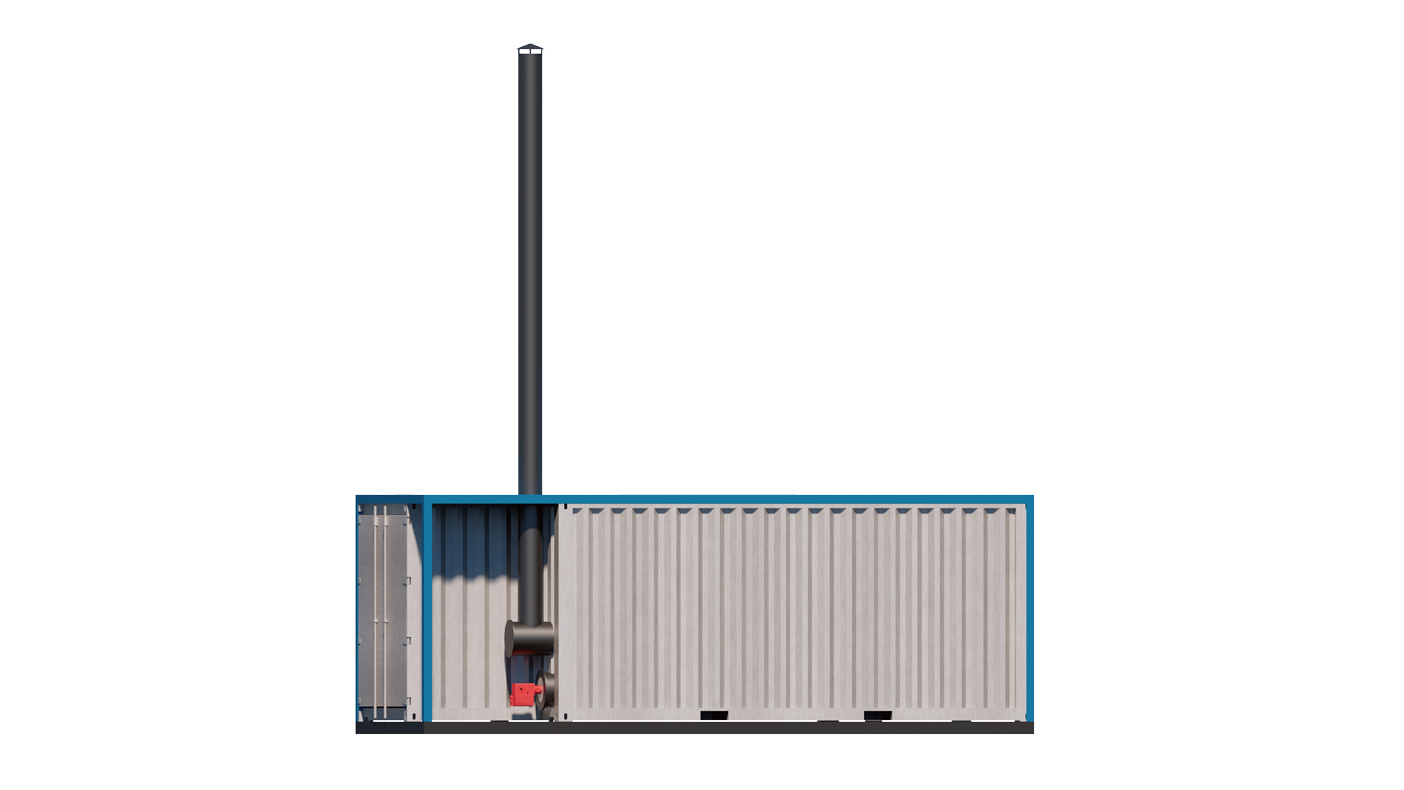
Intelligent three-phase separation technology for oil, gas and water
Following over a decade of collaboration with the Chinese Academy of Sciences and Southwest Petroleum University, along with input from experts at PetroChina and Sinopec, the Puruihuatai technical team has pioneered—both domestically and internationally—a novel intelligent three-phase oil-gas-water separation device based on the single-phase enrichment principle for oil-water separation.
Low equipment stability: Harsh oilfield conditions (high temperature, high pressure) make stability a critical concern.
Separation efficiency needs improvement: Small differences in physical properties among oil, water, and gas limit separation efficiency.
Low automation: Heavy reliance on operator experience and qualifications.
High maintenance and operating costs.
Ultimate Separation Efficiency: Enhanced separation speed and purity via physical mechanism innovation and intelligent control optimization; capable of processing extra-heavy oil, shale gas, and other complex unconventional resources.
High Intelligence & Unmanned Operation: Algorithm-driven decision-making replaces manual experience, enabling rapid adaptation to changing conditions, improving stability and safety, and reducing labor costs.
Minimal Footprint: Pipeline-integrated and skid-mounted designs make processing systems compact and flexible—ideal for space-constrained sites.
Ultimate Separation Efficiency: Enhanced separation speed and purity via physical mechanism innovation and intelligent control optimization; capable of processing extra-heavy oil, shale gas, and other complex unconventional resources.
High Intelligence & Unmanned Operation: Algorithm-driven decision-making replaces manual experience, enabling rapid adaptation to changing conditions, improving stability and safety, and reducing labor costs.
Minimal Footprint: Pipeline-integrated and skid-mounted designs make processing systems compact and flexible—ideal for space-constrained sites.
Advantage comparison
| Comparison Item | New Intelligent Three-Phase Separation Equipment | Conventional Three-Phase Separator | Remarks |
| Material & Stability | New metamaterial construction, stable and reliable, high-temperature resistant, high-pressure resistant, and corrosion resistant. | Typically made of carbon steel or ordinary steel, with lower stability. | |
| Simultaneous Metering Capability | Enables real-time inlet-outlet, simultaneous separation and metering with high accuracy. | Only allows separation first, followed by manual metering. | |
| Pressure Vessel or Not | Uses nominal diameter <150mm piping; not a pressure vessel. | Pressure vessel | Saves cost of using pressure vessels |
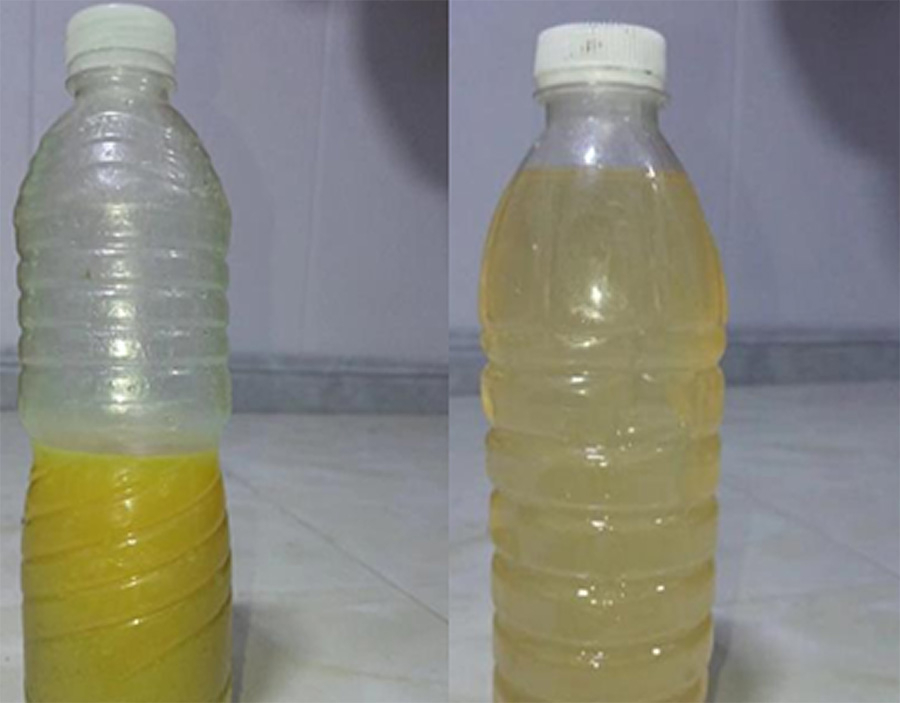
| Separation Efficiency | Visually no oil in water; water content in oil <5%. | Manually operated, unstable performance, average water content in oil around 20%. | |
| Degree of Automation | Fully automated, no manual operation required. | Manual operation, requiring approximately 6 skilled workers per equipment set. | Conventional equipment requires certified operation |
| Number of Devices Required for Multi-Well | For 4-5 pad wells, uses well selection device with two sets of equipment. | One set of equipment per well | Labor input vs. equipment investment |
| Emergency Response Capability | Equipped with vent/drain lines, capable of emergency response to abnormal and sudden well conditions, ensuring normal production. | Complex piping connections with many elbows; poor self-draining capability. | Safety |
Solution
Intelligent oil well system
Intelligent shale oil stations
Intelligent Management and Decision Support System for Oil & Gas Field Production
Product
Intelligent multi-phase precise online measurement technology
Intelligent three-phase separation technology for oil, gas and water
Deep Lube Intelligent Lubrication Technology
Multi-Factor Collaborative Heavy Oil Thermal Recovery Upgrading and Production Enhancement Technology
Hot nitrogen gas is used to clear wax and remove blockages